
By George Kaminsky
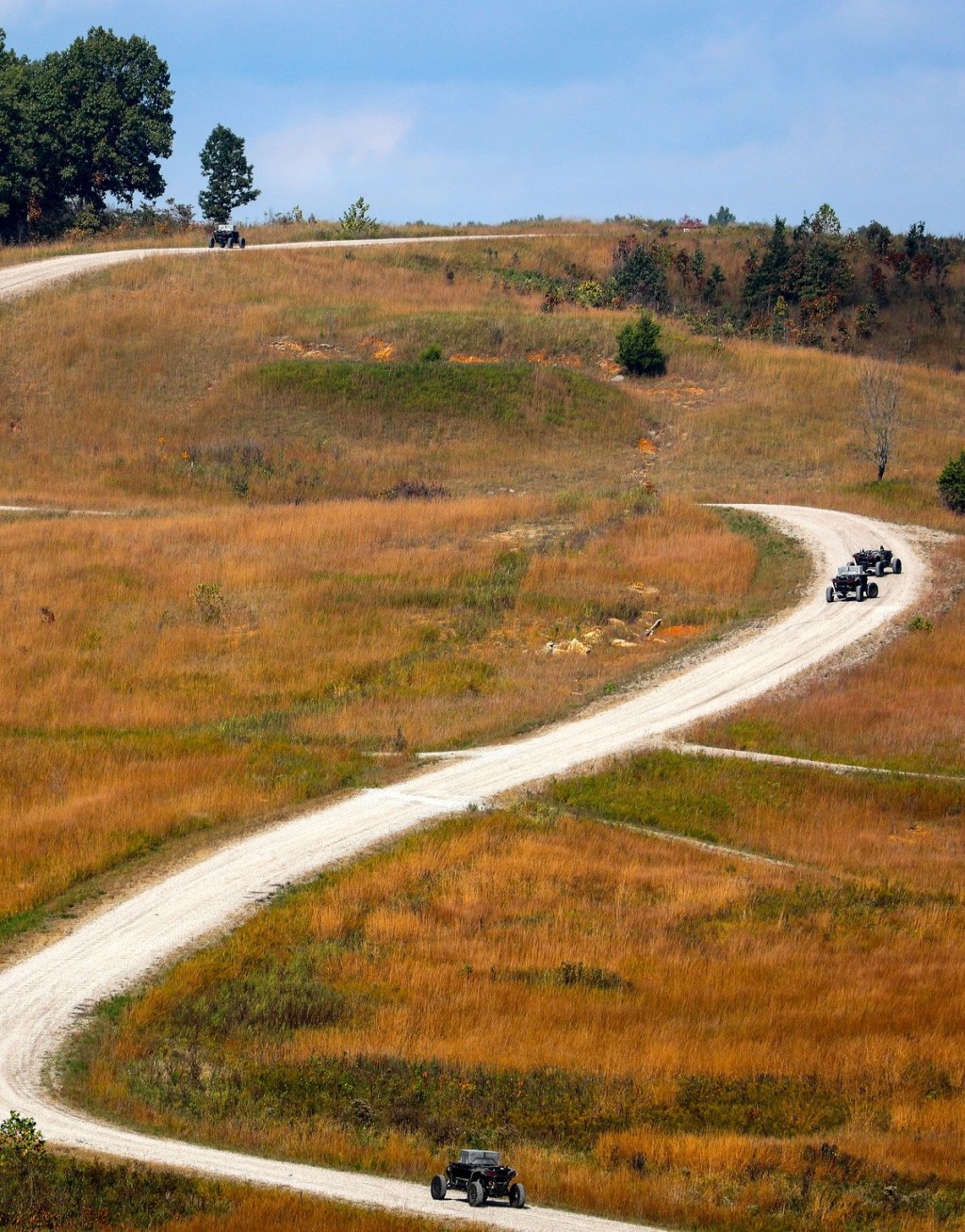
Four unmanned ground vehicles drove, spotted a target and set up a simulated rocket strike on their own at Fort Knox, Kentucky, on Oct. 15, in a demonstration that gave a group of about two dozen distinguished visitors a look at where autonomous ground combat is heading. The event, held at St. Vith Range, showcased the DARPA Robotic Autonomous Systems program known as RACER, and the Army published its account on Oct. 22.
The scenario started far above the ground. An operator, cued by satellite imagery, sent the vehicles toward an area of interest. The lead vehicle carried a closed box holding a drone and moved up a hill, then stopped halfway after it spotted a target. Two other vehicles moved into positions that provided cover. A simulated rocket then struck a target about 300 yards away.
The test showed more than driving. The vehicles shared what they saw, divided the work and executed a sequence that ran from a satellite cue to a tactical result. DARPA described it as the first end-to-end test linking satellite information to action by ground robots in the field.
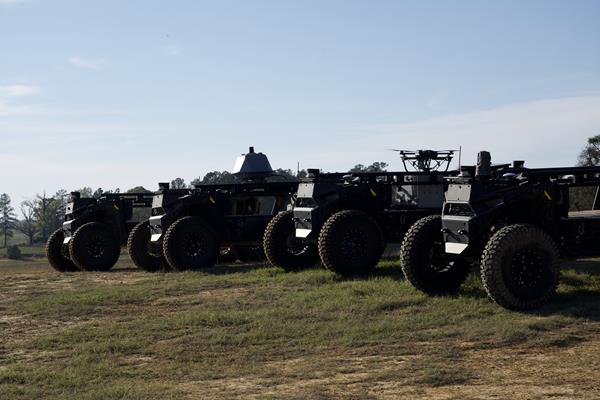
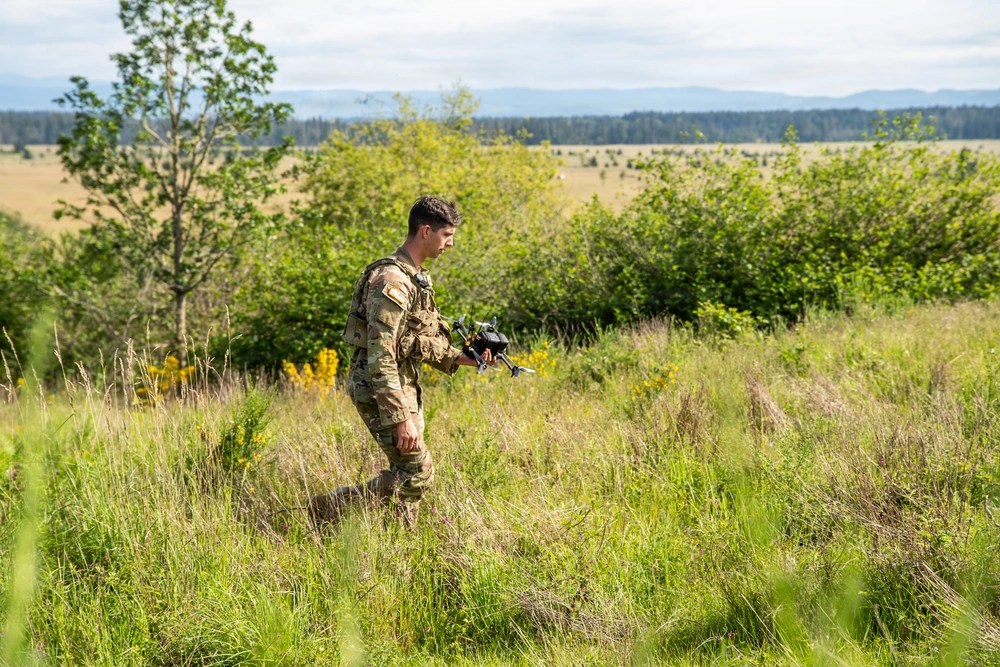
The hardware reflected a mix of partners. Three of the four vehicles carried a drone payload, and Anduril one-way attack platforms were integrated onto vehicles built by Overland AI. That pairing underlined a central idea of the program: the vehicle is a carrier, and the payload can change with the mission.
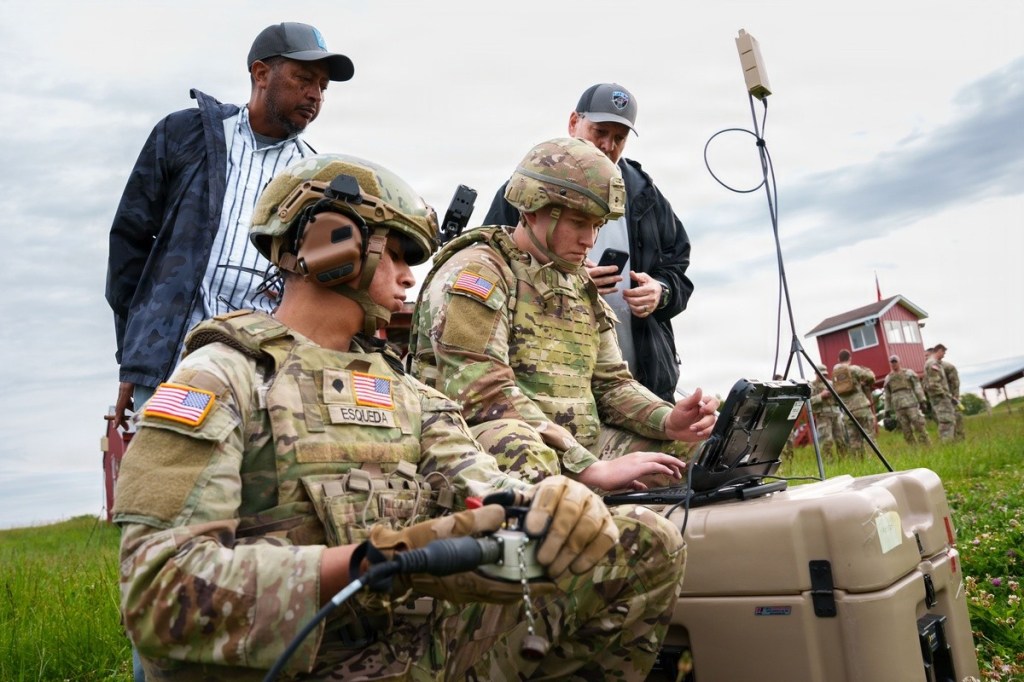
Dr. Jason Gregory of DARPA explained how the team divides responsibility between machine and human. Mobility, movement and detection are autonomous, he said, while a human approves any engagement. That structure keeps a person in the decision about using force while letting the vehicles handle the demanding work of navigating rough terrain and finding targets. Gregory also noted that the effort represents about five years of software development, and he summed up the day by saying, “We showed what’s possible.”
One of the technicians working with the vehicles described them as “super modular platforms,” comparing them to building blocks. That modularity is the practical payoff. Payloads discussed for the platforms include 240 Bravo machine guns, drones, rockets and casualty evacuation capability. A single autonomous chassis could carry supplies one day, a strike package the next and a litter for wounded soldiers after that.
The work has an operational customer. U.S. European Command requested the effort, and Fort Knox served as a stand-in for the European theater, with its mix of wooded hills, roads and open ground. Matching the test environment to a likely operating area helps engineers see how the software handles terrain that resembles what soldiers could face.
RACER has been building toward this point. In October 2025, the program supported a breaching demonstration at Fort Hood, Texas, with the 36th Engineer Brigade. In November 2025, it worked with the 11th Armored Cavalry Regiment at the National Training Center in California. Each event put the vehicles in front of soldiers and gave developers feedback from the people who would use them. Fort Knox moved the program to a more complex, multi-vehicle task with a connection to satellite data.
RACER is one of 238 programs in DARPA’s portfolio, a reminder that the agency places many small bets and moves successful ideas toward the military services. The Army’s willingness to host the demonstration suggests that ground autonomy has reached the stage where soldiers and leaders want to see it work in realistic conditions.
The next step is already scheduled. A December test will bring in soldiers, who will operate the vehicles and give direct feedback on how they perform. That is the point at which a technology demonstration begins to look like a capability. Soldiers can show whether the controls make sense, whether the vehicles behave as expected and how a squad might use them in a mission.
For commanders, the appeal is straightforward. Autonomous vehicles can scout ahead, carry loads and put sensors or effects in places where a crew would be exposed. When they work in a group, one machine can find a target while another positions to cover it and a third prepares a strike. The human stays in charge of the decision, and the machines handle the movement.
The demonstration also fits into a larger Army push to bring robotics into formations. The service has created new robotics roles, set up units that experiment with unmanned systems and is working to change how it trains and organizes. Programs such as RACER supply the underlying autonomy that those units need, giving them software that can drive in difficult terrain without constant control.
Fort Knox offered a clear picture of that future: four vehicles moving together over rough ground, sharing information from above and acting on what they found, with a person approving the final step. As testing continues into December and beyond, the program will show how quickly that picture can move from a range in Kentucky into the hands of soldiers.
Source: U.S. Army, October 22, 2026. Photo: Eric Pilgrim, U.S. Army.



Leave a Reply