
By George Kaminsky
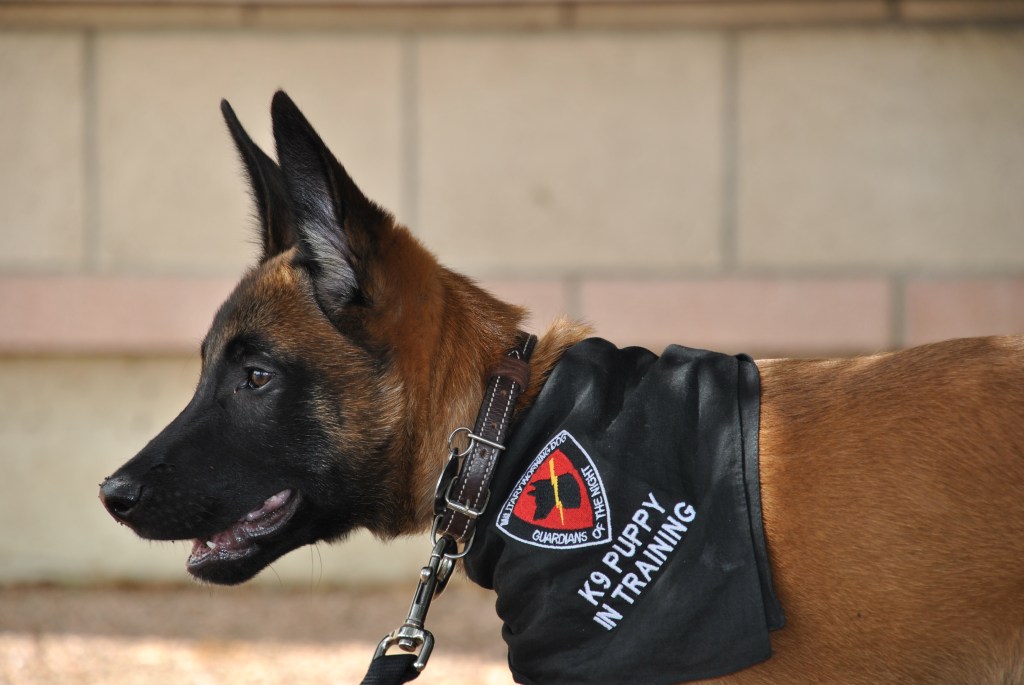
Warhound launched Oct. 22 with a $200 million seed round to bring the cloning and gene-editing tools Colossal Biosciences built for de-extinction to the military’s working dogs. The Texas company says it has already banked genetic material from top-performing dogs, is editing a first group, and expects to deliver its first dogs in about two years. It has no signed customers and is not quoting a price.
The science comes from Colossal, the Dallas company Ben Lamm co-founded with Harvard geneticist George Church in 2021. In April 2025 Colossal announced three pups, Romulus, Remus and Khaleesi, which it called dire wolves. Its scientists edited gray wolf cells at about 20 sites across 14 genes to match DNA recovered from ancient remains, cloned the pups from those cells and had domestic dogs carry them to term. Some scientists said the result was gene-edited gray wolves, not a revived species. Lamm has waved that criticism off for Warhound, arguing that nobody can quarrel over the definition of a dog.
Warhound’s process runs in stages. It finds top dogs that have finished training and biobanks their genetic material. It then clones those proven animals while working on targeted edits. Lamm said the company will screen out known variants tied to muscle degeneration and other inherited conditions, so no dog enters service carrying markers for common career-ending problems. He also said future enhancements to performance are planned, though the company is still working out which traits can be changed responsibly. Training and environment will always affect performance, Lamm cautioned, which means a clone starts with an advantage and not as a finished working dog.
The target is a program the Army began in 1942 with its K-9 Corps. The Pentagon’s working dog program now includes more than 2,200 dog teams that detect explosives, patrol and protect troops, according to the company. Warhound says more than 80 percent of those dogs come from Europe, that fewer than half of the dogs bought clear a pipeline of about three years, and that the Pentagon has to buy roughly 200 to field 100. Its argument is that fewer, healthier dogs with a better chance of finishing training would cut that waste and end the reliance on foreign breeders.
Cloning working dogs is not new. South Korea’s customs service deployed six cloned sniffer dogs in 2009, and in 2019 Chinese scientists cloned a police dog named Kunxun to shorten training. Six cloned dogs joined the Beijing police that year. What Warhound adds is gene editing and ambitions of scale, and Lamm acknowledged that nothing at national scale exists today. The company plans to build kennel and training capacity step by step, starting with private capital.
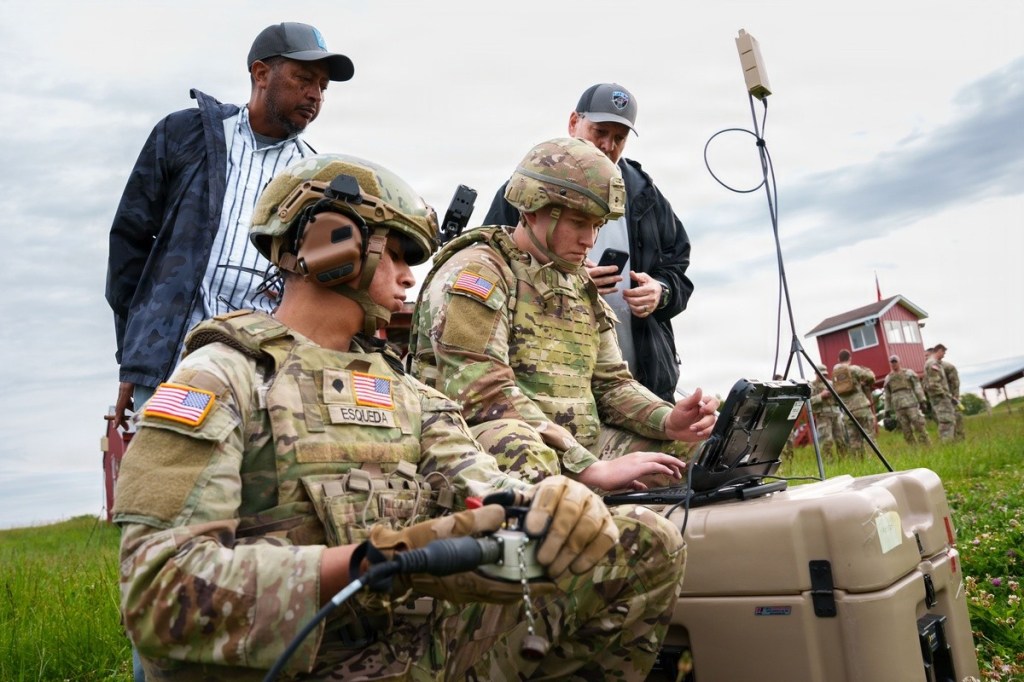
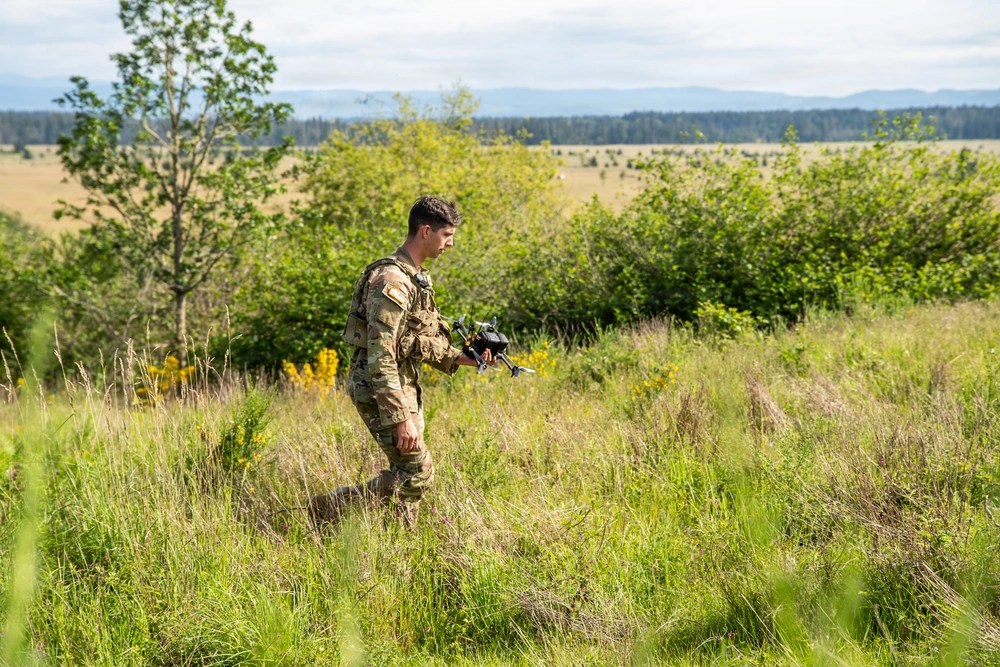
The hardware side comes from Anduril, which supplies equipment through a partnership. The package includes eye and ear protection, body armor and integration with EagleEye, a modular family of mixed-reality helmets, visors and glasses built on Anduril’s Lattice software. Anduril unveiled EagleEye in October 2025 as part of the Army’s Soldier Borne Mission Command effort, after winning a $159 million Army award in September to prototype a soldier mixed-reality system. The release says connecting dog-and-handler teams to EagleEye will help protect dogs, handlers and the wider unit. It does not explain how a sensor worn by a dog would feed a handler’s display, and it gives no specifications. The release calls the equipment cybernetic Augments.
Lamm is blunt that this is not a robot dog program. “A dog is the oldest autonomous system there is,” he said. He added that no machine today matches a dog’s nose or its judgment in complex environments. Palmer Luckey, the Anduril founder, offered a shorter line in the release: “Man’s best friend deserves man’s best tech.”
Luckey and Lamm developed the concept but do not call themselves co-founders, and Lamm said Luckey holds no equity. Lamm sits on the board. David Spirk, a Marine veteran and the Pentagon’s former chief data officer, is chief executive. Spirk was the first chief data officer at U.S. Special Operations Command, later served as deputy associate director of national intelligence for Afghanistan and Pakistan, and was most recently a senior counselor at Palantir. Backers include In-Q-Tel, Sequoia Capital, ARK Invest, Franklin Templeton, 8VC, USIT, Breyer Capital, CAZ Investments, Neogenesis, Builders VC, Lux Capital and Bob Nelsen. The round reportedly values the company at about $1.2 billion. Colossal licenses its technology to Warhound and holds an economic interest, while Lamm said there is no combined Colossal and Anduril company.
Welfare and oversight are built into the pitch. The American Humane Society will certify Warhound’s training programs and help reunite retired dogs with their former handlers. Alta Charo, a bioethicist at the University of Wisconsin-Madison, said scientific ambition has to be matched by careful ethical review and a lifelong commitment to the animals. The company also says therapeutics developed through the program will be available to all dogs.
The milestones are concrete. Watch for the first customer agreement, the arrival of the first edited and cloned dogs around 2028, and evidence that they complete training at higher rates than today’s fewer-than-half. The field test for the dog-worn equipment may matter just as much, because the Augments are the part of the package the company has described the least.
Source: Warhound news release and Fortune, October 22, 2026; TechCrunch, October 13, 2025; CNN, April 7, 2025.



Leave a Reply