
By George Kaminsky
First Breach says its drone prototype has flown at 161 km/h, or 100 mph, the fastest speed the Federal Aviation Administration allows small unmanned aircraft to fly without a waiver and well above the 120 km/h top speed the company had published for the design. The Hagerstown, Maryland, ammunition maker announced the result on Oct. 20, one week after reporting the prototype’s first autonomous flight, and said it came from the current prototype configuration in a flight without a payload.
The limit that ended the test was regulatory. Under the FAA’s Part 107 rules for small unmanned aircraft, groundspeed is capped at 100 mph unless the agency grants a waiver. Jeffrey Low, First Breach’s co-founder and chief executive, said the team did not stop because the aircraft ran out of margin. “We stopped because the rulebook did,” he said. In other words, the aircraft reached the edge of what the rules allow before it reached its own ceiling.
Work on the next step is already under way. Hellbender, the Pittsburgh engineering and manufacturing firm that partners with First Breach on the drone program, has started the process of seeking FAA authorization to test above the Part 107 limit. Once that approval is in place, the company expects to map the platform’s full speed envelope, meaning the fastest the aircraft can safely fly across a range of conditions.
The pace is a large part of the story. First Breach reported a first flight in late August, an untethered flight on Sept. 23, an autonomous mission on Oct. 13 and now a 100 mph run on Oct. 20. That is four milestones in about eight weeks, for a platform Low said was still flying tethered a few months ago, and each added a distinct capability: first lift, then free flight, then self-navigation, then speed. Hardware programs often take far longer between steps, and the sequence suggests a design that is maturing quickly.
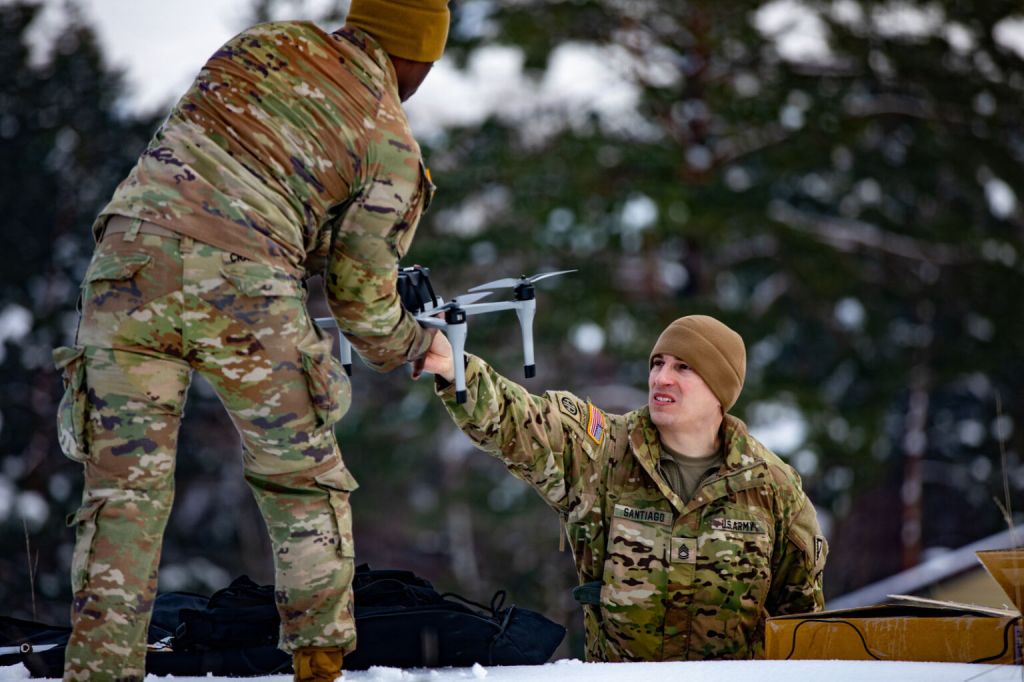
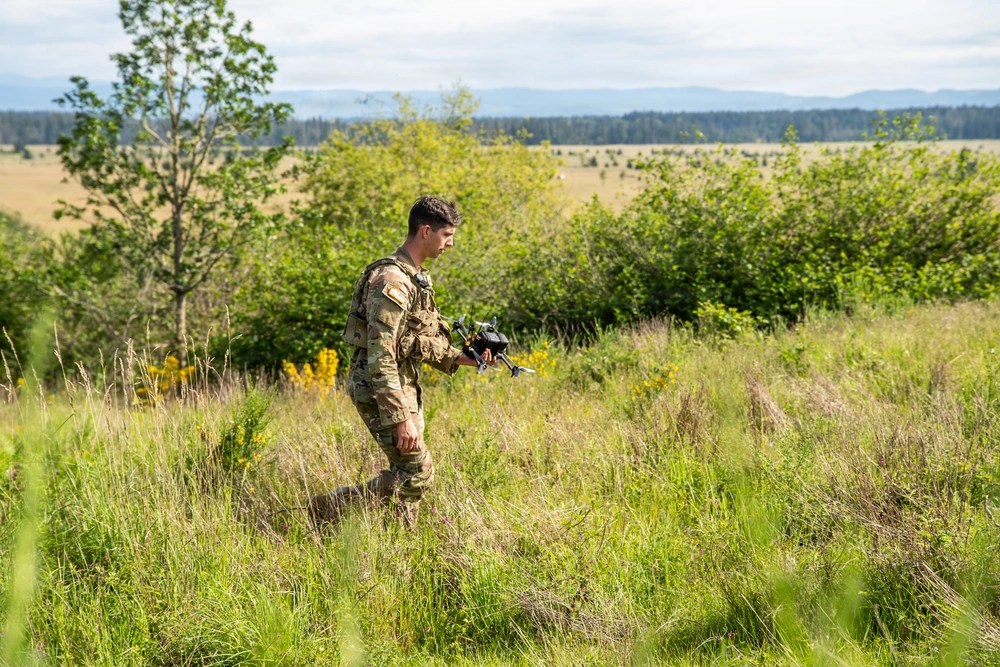
The aircraft itself is built around practical military needs. It is a four-rotor Class 1 platform weighing about 2.2 kilograms, with a payload capacity of roughly 500 grams through a Picatinny rail, the standard mounting interface on military small arms. The company lists a range of about 2 kilometers, endurance of about 10 minutes and a cruise speed of 50 km/h. Navigation combines satellite positioning with visual-inertial augmentation, the control link runs at 900 MHz, and swappable batteries and field assembly in under ten minutes are meant to keep it flying in the field. The company has described this build as a proof of concept, and the new speed is a third above the 120 km/h top speed it listed earlier.
Speed matters for the missions small drones are bought to perform. A faster aircraft gives a target or a defender less time to react, which helps in interception, strike and fast reconnaissance. The company describes the platform as near the high end of today’s small one-way attack systems. Jordan Low, the company’s co-founder, president and chief operating officer, put the result in commercial terms. “Range, payload, and the ability to fight through jamming are what win these programs,” he said, and he added that the FAA waiver process runs alongside the production ramp. An airframe with speed to spare gives engineers more room to add payload and battery weight while keeping performance high.
Production is the other half of the plan, and First Breach is better placed for it than most drone startups. The company is an ISO 9001:2015 certified maker of ammunition components and finished ammunition at its Hagerstown plant. Earlier this month it said new high-speed loading and inspection equipment had raised ammunition capacity there by about 175 percent, to as many as 20 million rounds a month, and that it holds more than 200,000 contiguous square feet set aside for drone production, robotic assembly and automated logistics. Hellbender adds engineering and advanced manufacturing depth, with about 90,000 square feet of facilities and expertise in physical AI, computer vision, drones, robotics and electronics. First Breach says it owns the platforms and their intellectual property and controls manufacturing and sales.
The schedule has not moved. First Breach still plans to complete initial prototypes in the fourth quarter of 2026 and begin scaled production in the second quarter of 2027, with a target capacity above 2,500 drones a week as its manufacturing expands. At that rate the Hagerstown site would build roughly 130,000 aircraft a year, which would make it one of the larger domestic sources of small unmanned aircraft. The company, which trades on the Nasdaq under the symbol FBDT, describes itself as an American-made defense technology company combining in-house ammunition production with next-generation unmanned systems. Its announcement carries the standard forward-looking-statement language about regulatory, technical and customer risks.
Several markers are worth following. The first is the FAA decision and a flight above 100 mph, which would show the aircraft’s full speed envelope. The second is a repeat of the speed run with a payload on the rail. The third is completion of the first prototypes in the fourth quarter, which would put hardware in front of potential military customers. If those steps arrive at the pace of the last four, First Breach will enter 2027 with a fast, proven aircraft and a factory ready to build it.
Source: First Breach announcement via ACCESS Newswire, October 20, 2026; earlier First Breach announcements.



Leave a Reply