
By George Kaminsky
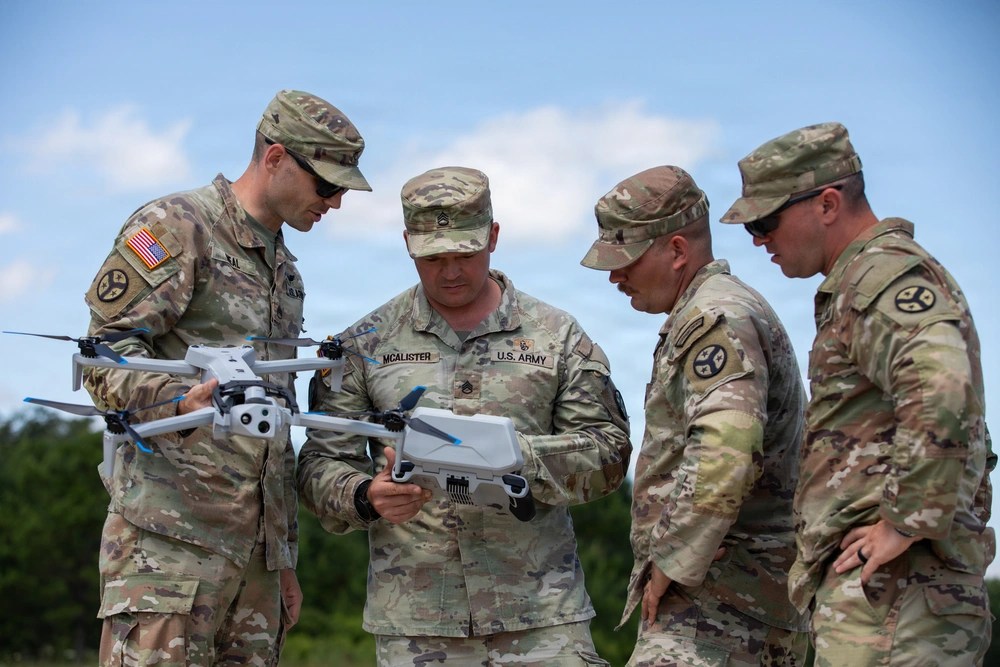
Much of the coverage of the Pentagon’s planned Autonomous Warfare Command has focused on organization charts and budgets. A quieter announcement in the same speech may matter just as much: Hegseth said new Military Occupational Specialty frameworks are being phased in within each military department to support the shift to autonomy, The War Zone reported.
The announcement came on September 30 at Marine Corps Base Quantico. The Pentagon has not yet published details on which specialties are affected, how many service members are involved or when each service will start.
- Project Agincourt is the interim effort ahead of the command. Hegseth said it will prototype what he called warfighting acquisition, rather than acquisition that happens at the Pentagon. It pairs operators with entrepreneurs in rapid cycles, and reporting says West and Strasiser are to produce an execution plan and phased timeline within 30 days of the announcement.
- Project Meridian is directed by Pentagon Chief Technology Officer Emil Michael and looks at the future of warfare more broadly. Hegseth said it is not about writing new strategies or policies.
- The Army is moving on its own track. A memo from Acting Secretary Adam Telle orders a Futures and Autonomous Systems Command, a Portfolio Acquisition Executive for Autonomy, and autonomous capabilities in at least six formation areas, including aviation, armor, fires, sustainment, engineer and training, by fiscal 2028. Earlier this year the Army also created an AI career field for officers.
Buying drones and robots is one problem. Staffing them is another: operators, maintainers, mission planners and the people who manage fleets of machines all need training and a career path. The MOS frameworks are where that work becomes concrete, and they are worth watching as the 30-day planning window closes at the end of October.
Sources: The War Zone; DefenseScoop; DigitalToday; US Army; FedScoop.



Leave a Reply